- Curveball Chronicles
- Posts
- The Importance of Whisper Skills - and - Pitching Gold from the Convention
The Importance of Whisper Skills - and - Pitching Gold from the Convention

Cindy Bristow
December 15, 2025

Total Reading Time: 6 minutes
Happy Monday! The NFCA convention has come and gone with a record 3,000+ coaches attending from all over the world! So in today’s issue I’m sharing some cool pitching tips I learned at the convention along with a look at the importance of whisper skills.
So Let’s Go!
Table of Contents
The Importance of Whisper Skills
Players have two buckets of skills. I call them Whisper and Shouting Skills. Let me explain.
Let’s start with the SHOUTING SKILLS, because they’re the easy and obvious ones. These are the skills you can see on TV or from the stands. Shouting skills are just that, the loud and the obvious skills that all players have, and pitchers in particular because they’re so obvious.
A pitcher’s shouting skills are things like:
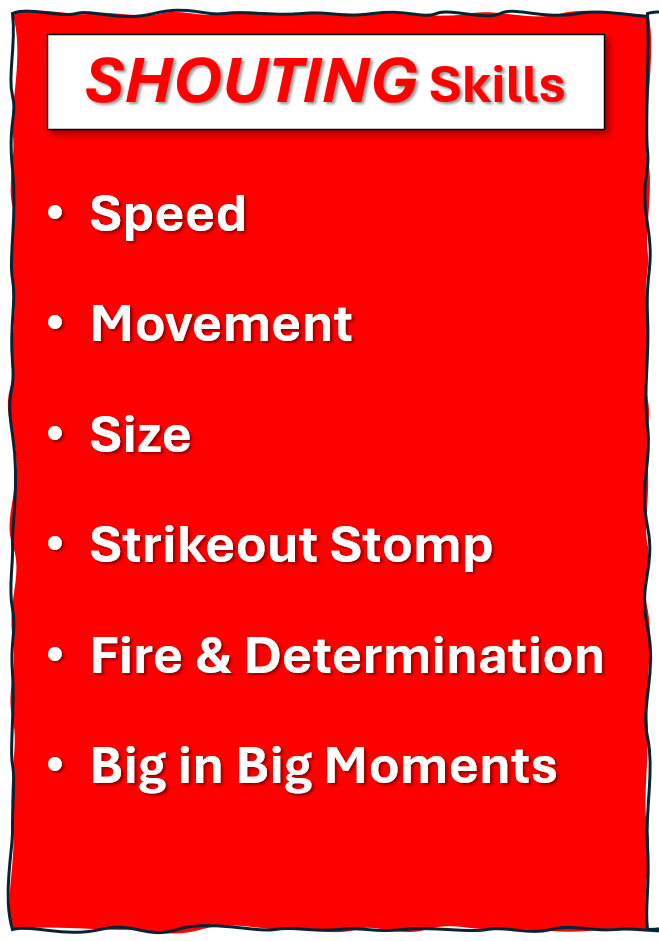
And while they’re are definitely important, they don’t tell the whole story, and they aren’t the end-all be-all for pitchers. We’ve probably all had pitchers with many of these shouting skills that may not have been successful because they were missing some critical elements.
These are the WHISPER SKILLS. These are just as important as the shouting skills, but they require close proximity to notice. You need to be in the arena with a player to know her whisper skills. It’s the whisper skills that will determine just how good of a “team player” she is, and how hard a pitcher’s team will play behind her.
A pitcher’s whisper skills are:
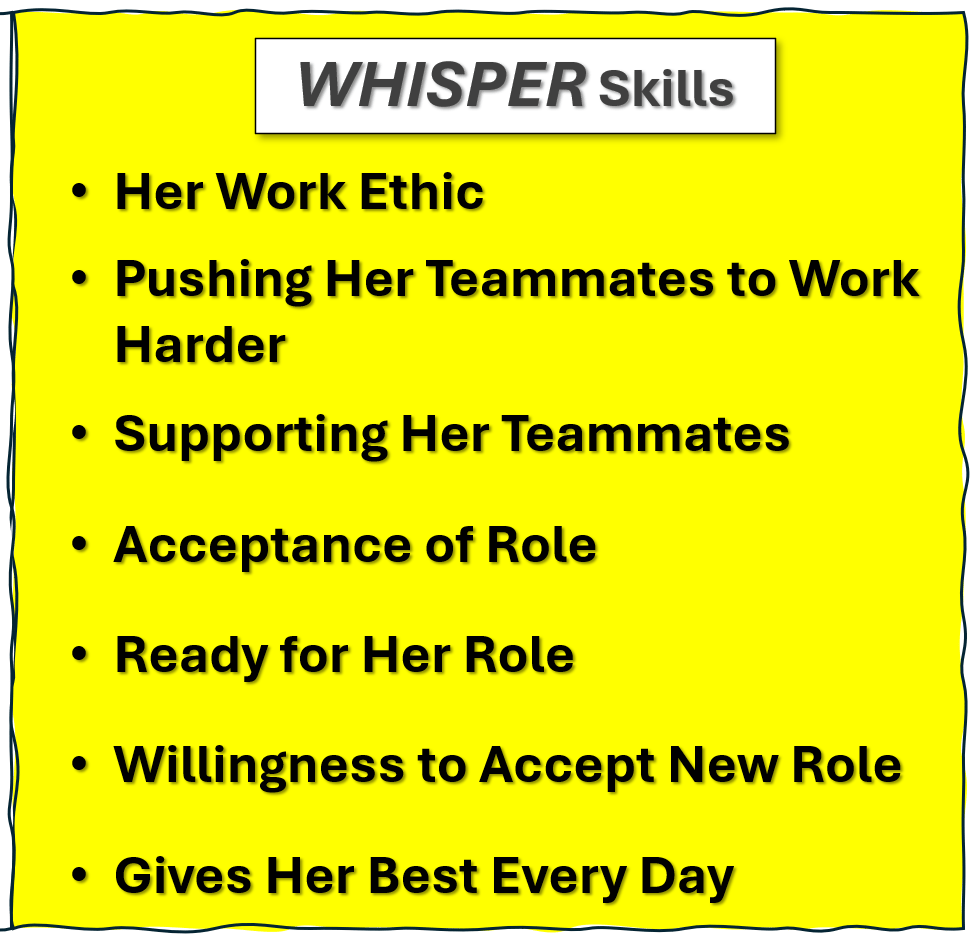
All players have whisper skills, it’s just a matter of how many and how strong. The longer the list and the stronger the skills, the better this player is as a teammate, and the harder people play behind her as a pitcher.

A final comment on Whisper Skills. I live in Southern California and many of you know I live with my 97 year old Mom who is an off-the charts Dodgers fan, which means I watch every game and read all about them. And yes, they’re easy to hate because of their absurd payroll, but I believe they don’t win back-to-back World Series if their STARS don’t have these whisper skills. The Dodgers stars whisper skills are:
Very Welcoming to All New Players
Create an Open and Welcoming Clubhouse
Inviting New Players to Individual Workouts
Having Coffee with Teammates
Genuinely Cheering for and Supporting Teammates’ Success
As you prepare for the upcoming season start to think how you can focus on and develop these Whisper Skills within your staff. Simply talking about the difference in skills (Shouting vs Whisper) is a great start.

Pitching Gold from the Convention
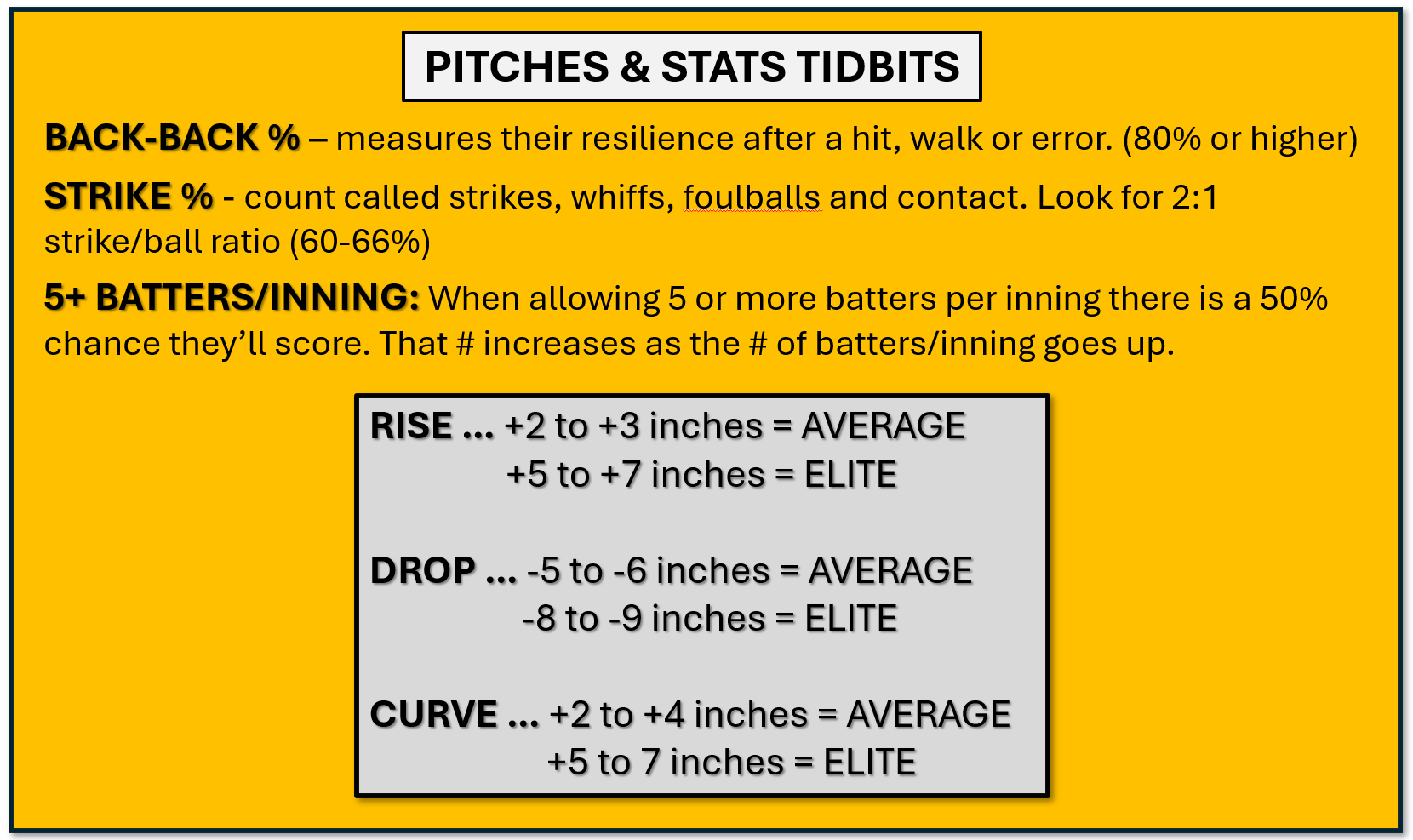
With our annual NFCA Convention recently wrapped up, I got tons of great pitching tidbits that I’m going to share in no particular order - but that are too good not to share. Whatever won’t fit in this article I’ll put in next week. Here goes:
Most of the following are from Christian Conrad (Arizona), Megan Brown (Longwood), or Lori Sippel (Nebraska):
When it comes to technology and data, you don’t need expensive technology. You can get data anywhere as long as you track it. If you don’t have tech available then be diligent tracking anything from groundball-flyball rate to soft-hit vs hard-hit.
Pitchers only need 3 legitimate pitches including a changeup. Christian believes a Curve can’t be one of them. If the Curve is legit then it can be 4 pitches including a changeup.
Christian has his pitchers call pitches in certain bullpens to figure out how to best use their pitches against:
L vs R lineups
managing the 2nd and 3rd time through lineups
“Testing Tuesdays” lets you try things with each of your pitchers against live hitting to see if they’ll work. You’ll say “we’re going to throw 20% of this certain pitch today just to see how we can use it. It might get hit but it’s “Testing Tuesday” so we’re testing things out.”
Have your pitchers use the pitchcom during live bp (both clicking in pitches and reading the band) just to get used to all of it.
It’s never too soon to pull a pitcher!
Being in an adverse situation doesn’t prepare you to overcome it - simply to endure it. We must teach them through it versus just putting them in it.
After an error teach your pitchers to “close the gap”. Cut the physical distance between yourself and the player that screwed up by having your pitchers walk toward the offending fielder while giving them some type of support.
Thanks for reading this week’s Curveball Chronicles. I hope you gained some insight, some encouragement, some knowledge or some grace.
Go make this a Great week!

Missed some previous issues? Don’t worry, I’ve got them all on my website: https://pitchingcoachcentral.com/curveball-newsletter/
Reply